

Best Footwear for Forest Trails
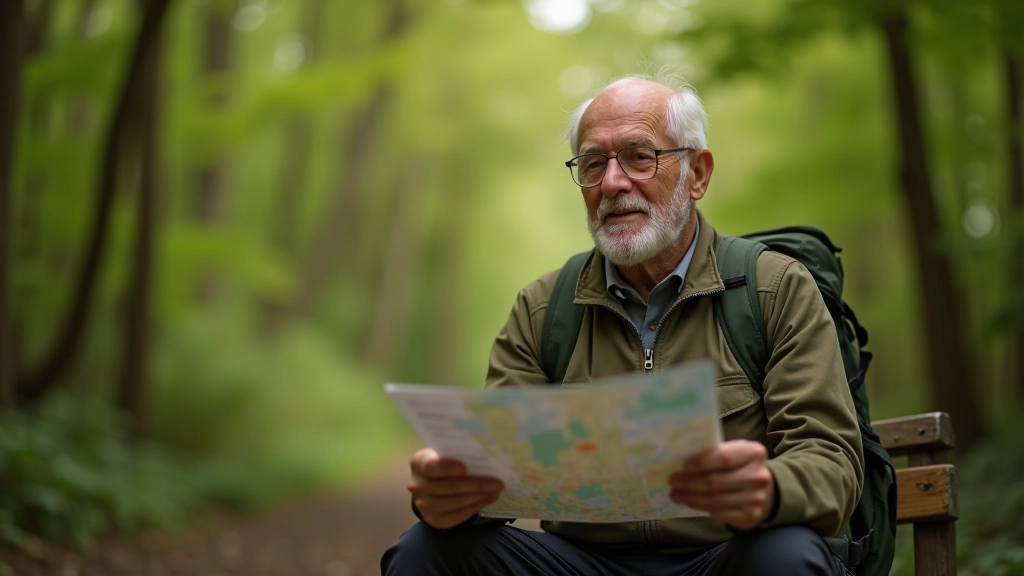
Why the right hiking shoes make all the difference on Curraghchase's woodland paths. We've tested different options on actual trails and here's what works.
Why Your Shoes Matter More Than You Think
Look, we get it. You're thinking about grabbing whatever trainers you've got in the cupboard and heading out for a walk. But here's the thing — the right footwear changes everything. After testing dozens of shoes on Curraghchase's muddy paths, rocky sections, and forest floors, we've seen firsthand how proper hiking shoes prevent injuries, reduce fatigue, and make every trail feel easier.
It's not about having the most expensive boots. It's about having shoes built for what you'll actually encounter — uneven ground, moisture, roots, and stones. We'll walk you through what to look for and which options work best for forest trails in Limerick.
What Makes Hiking Shoes Different
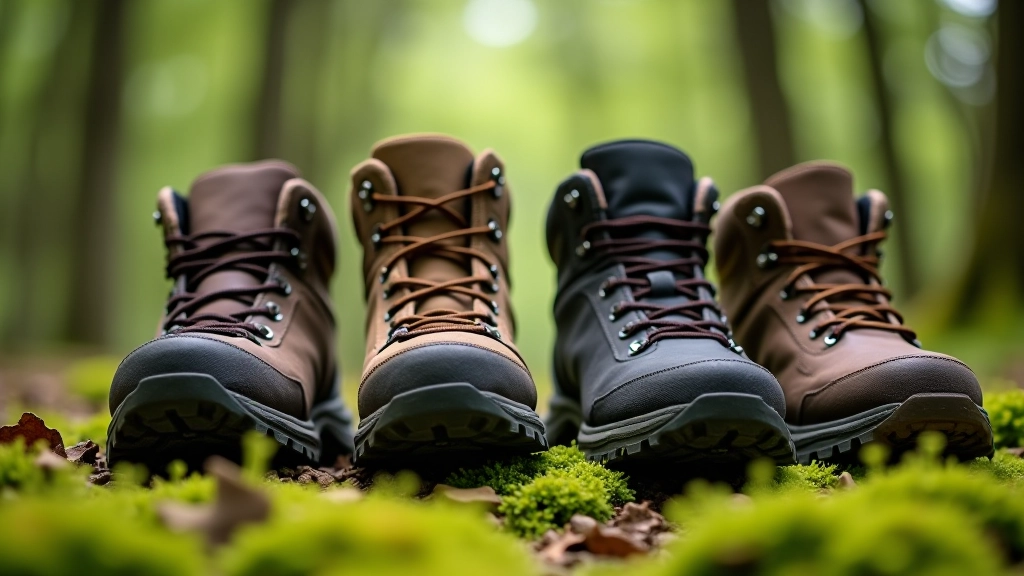
Not all trainers are created equal. Here's what separates proper hiking footwear from everyday shoes.
Ankle Support
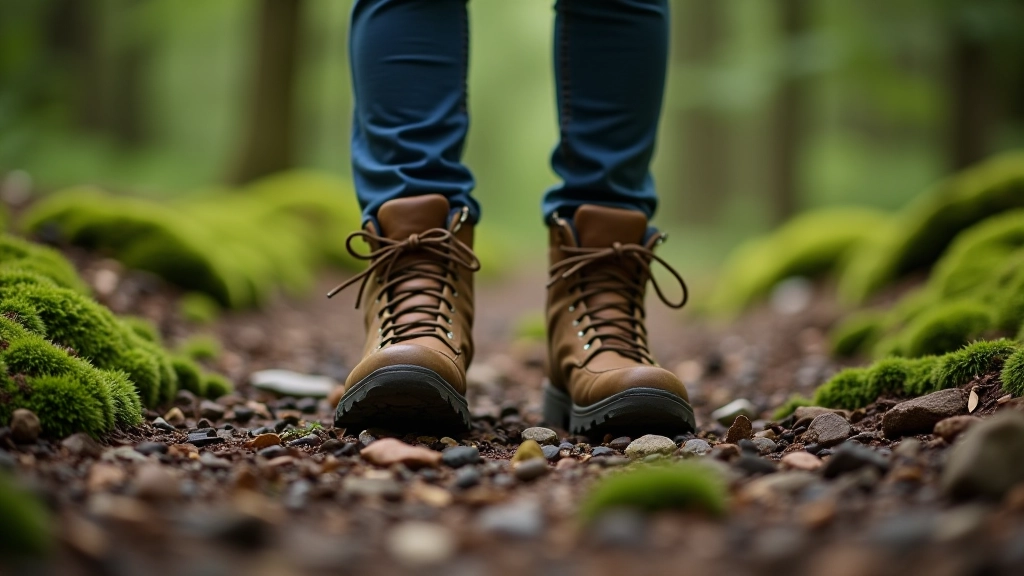
Mid-height or higher boots stabilize your ankle on uneven terrain. Forest floors aren't flat — they shift and roll. Proper support prevents twists and gives you confidence on tricky sections.
Waterproofing
Curraghchase gets wet. Waterproof membranes (like Gore-Tex) keep moisture out while letting your feet breathe. Dry feet mean warmer, more comfortable miles.
Grip & Traction
Aggressive tread patterns with deep lugs bite into mud, moss, and roots. You won't slip. That's the promise, and it actually matters when you're on slopes or wet ground.
Reinforced Build
Thicker soles and rock plates protect your feet from sharp stones and roots. They're designed to last through years of forest walking, not just a few casual walks.
Lightweight Design
Modern hiking shoes aren't the heavy boots of decades past. They've got protection without the weight, so you don't feel like you're dragging your feet.
Breathability
Mesh panels and ventilation keep your feet cool on warmer days while waterproof liners handle moisture from rain. You get both comfort and protection.
What We've Learned Testing Shoes on Curraghchase Trails
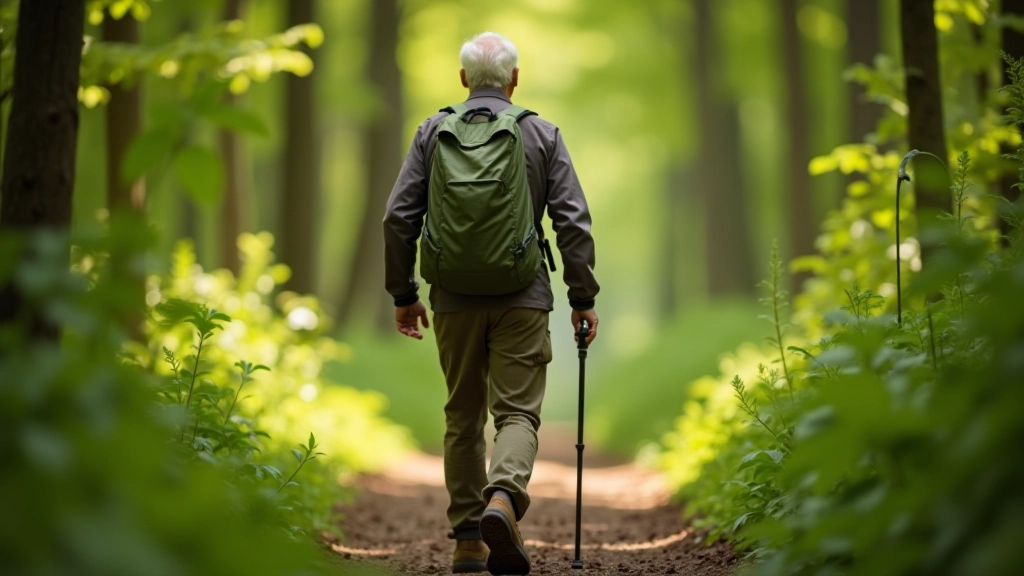
We didn't just read reviews online. Our team took different shoes onto the actual trails at Curraghchase Forest Park — the muddy sections near the main car park, the rocky bits around the upper loop, the rooty forest floor paths. Here's what stood out.
1
Mid-Height Boots Outperformed Low-Tops
Ankle support made a real difference. On the steeper descents, people wearing proper hiking boots felt more stable and confident. Low-cut trainers? They worked on flat sections but felt sketchy on slopes.
2
Grip Saves You When It's Wet
After rain, the moss-covered rocks become slippery. Shoes with proper tread gripped. Smooth soles? People slipped. It's that simple. We saw the difference within minutes of testing on wet surfaces.
3
Waterproofing Keeps You Comfortable
Soggy socks ruin a walk. Waterproof boots meant dry feet even after walking through boggy sections. Non-waterproof shoes absorbed water like sponges. Your feet stayed warm and dry — that matters over 3-4 miles.
4
Weight Matters Over Longer Distances
Heavy boots felt fine for the first mile. By mile 3, testers appreciated lighter shoes. Modern hiking shoes weigh around 600-700g per shoe — not much heavier than trainers — but it adds up when you're moving all day.
Different Shoe Types for Different Needs
Not every hiker needs the same shoe. Here's how to match footwear to your walking style.
Hiking Boots
Best for: Serious trails, heavier loads, ankle support priority
- Full ankle support
- Rugged protection
- Maximum traction
- Heavier (800g+)
Overkill for gentle forest walks, but great if you've had ankle injuries or prefer maximum stability.
Hiking Shoes
Best for: Forest trails, day hikes, comfort priority
- Mid-height ankle support
- Lighter weight (600-700g)
- Good traction
- More breathable
Perfect for Curraghchase trails. You get protection without the weight of full boots. Most people find these ideal.
Trail Runners
Best for: Flat trails, speed, minimal weight
- Very light (400-500g)
- Minimal ankle support
- Good for fit people
- Not waterproof usually
Fast, nimble, but less protection. Fine on easy paths. Less ideal for older hikers or uneven forest terrain.
Our Tested Recommendations
After walking these trails dozens of times, here's what actually works for forest hiking in Limerick.
For Stability & Support
Look for mid-height hiking shoes with a Vibram or equivalent rubber sole. Brands like Salomon, Merrell, and Keen consistently deliver. The key: at least 1.5cm of heel-to-toe drop and a reinforced heel counter. You'll notice the difference on uneven ground.
For Wet Weather
Waterproofing isn't optional in Irish forests. Gore-Tex is the gold standard but adds cost. eVent membranes are lighter. Some newer shoes use synthetic waterproof liners that work well. Budget €130-180 for decent waterproofed hiking shoes.
For Comfort on Long Walks
Cushioning matters after 2+ hours. Look for midsoles with EVA foam or similar materials. Don't assume expensive means more comfortable — try them on, walk around the shop for 10 minutes, feel how they respond to uneven surfaces.
For Lighter Weight
If you hate heavy shoes, look at hiking shoes rather than boots. Modern designs keep weight under 700g while maintaining protection. Brands like Salomon and La Sportiva specialise in lightweight options without sacrificing grip or support.
Looking After Your Hiking Shoes
Good shoes last years if you treat them right. Here's how to keep them performing.
1
Dry Them Properly
Stuff with newspaper (change it every hour) and leave at room temperature. Never use direct heat or a radiator — that damages the glue and materials. Takes 24-48 hours but keeps shoes intact.
2
Clean After Each Walk
Rinse off mud while it's still wet. Use a soft brush. Let dry completely before storing. Dried mud traps moisture and damages the material — just take 2 minutes to rinse them down.
3
Treat Waterproofing Annually
Waterproof coatings wear down. Use a re-proofing spray or wax once a year. Your shoes will shed water better and last longer. Products like Nikwax are affordable and work well.
4
Rotate Your Shoes
Don't wear the same pair every single day. Let them air out. Alternating between two pairs means each gets proper drying time and lasts longer overall.
The Bottom Line
Proper hiking shoes aren't a luxury — they're an investment in comfort and safety. You don't need the most expensive option, but you do need something built for forest terrain. Mid-height hiking shoes with waterproofing and good traction will transform your experience on Curraghchase trails.
Take time to find shoes that fit your feet properly. Walk around the shop. Test them on uneven ground if you can. Spend €130-180 on quality footwear and you'll get years of reliable performance. Your feet will thank you after mile 3.
Disclaimer
This article is educational and based on our testing experience on Curraghchase trails. Shoe fit and performance vary by individual — what works for one person might not suit another. Always try shoes before purchasing. If you have foot pain, injuries, or medical conditions affecting your feet, consult a healthcare professional before starting new hiking activities. Weather and trail conditions change; always check current conditions before heading out.