
What to Pack for a Safe Hike
A practical checklist for forest walks at Curraghchase Woods and beyond
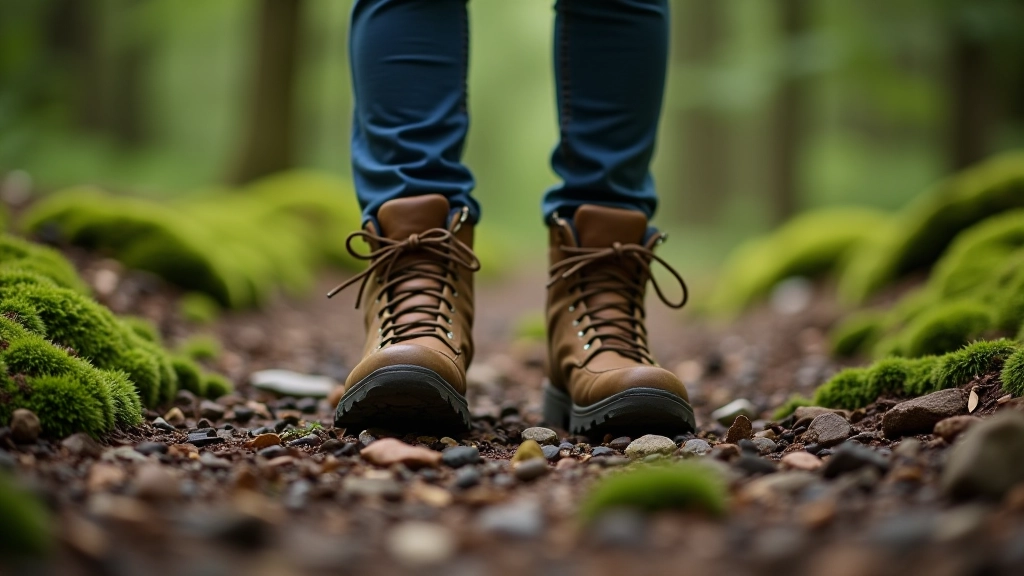
You're ready for your first hike at Curraghchase Woods. You've got the route picked out, the weather forecast checked, and the right shoes on your feet. But what else do you actually need to bring? We've put together this guide to help you pack smart — not light, not heavy, just right for a safe and comfortable walk in the forest.
The Core Essentials: Water and Nutrition
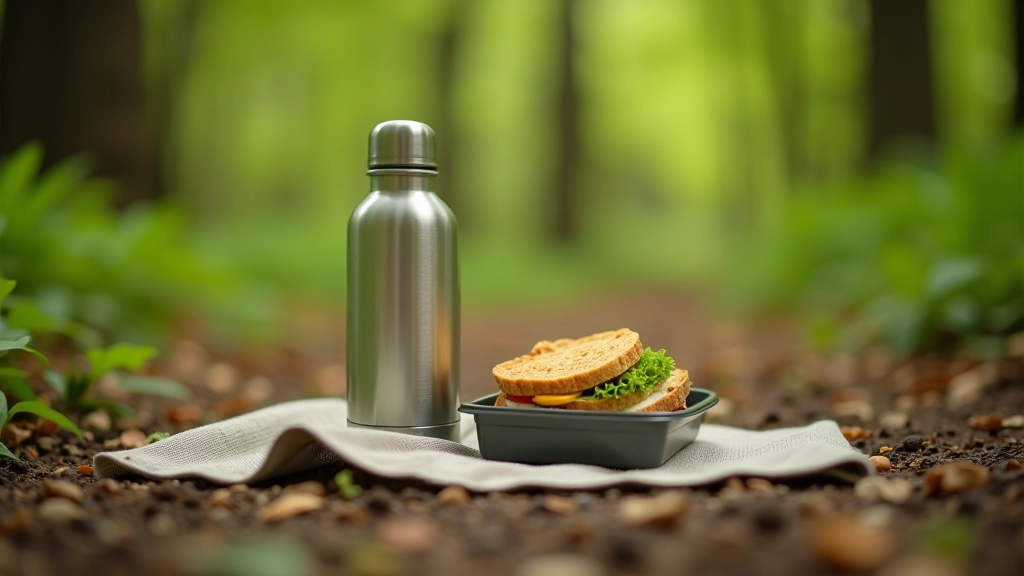
Water is non-negotiable. Bring at least 500ml in a lightweight bottle — that's roughly a pint if you're measuring the old way. Even on a two-hour walk, you'll want sips throughout. We don't recommend waiting until you're thirsty, especially on warmer days.
Pair water with something to eat. A simple banana, a small sandwich, or a handful of nuts takes up barely any space. The point isn't to pack a picnic — it's to have energy when you need it. Most people find a light snack at the midpoint of their walk makes the return journey feel much easier.
Quick Tip
Pack your water bottle in a side pocket where you can reach it without stopping. This encourages you to stay hydrated throughout your walk.
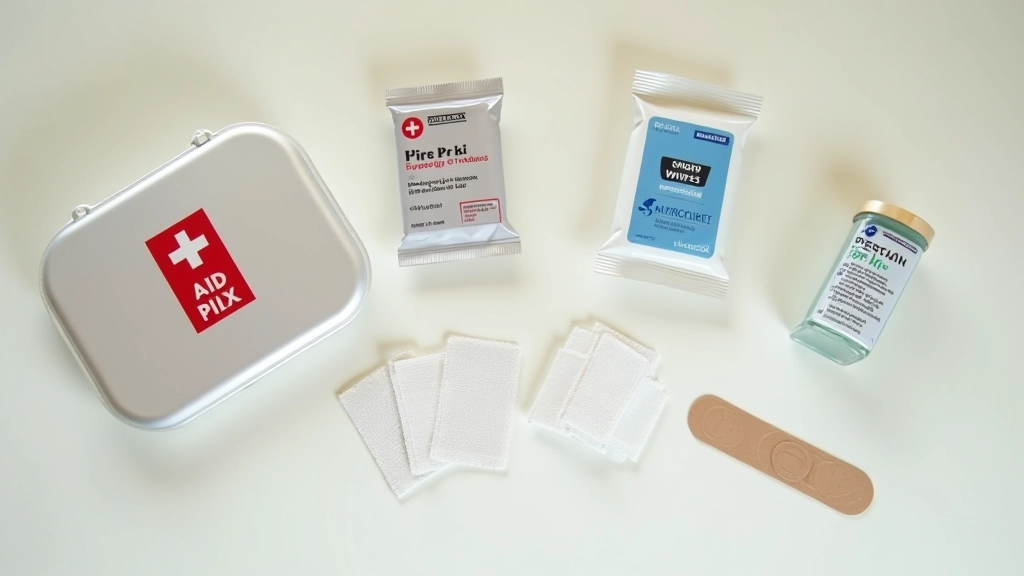
Safety Items: A Small First Aid Kit
You won't need much, but you'll feel better having it. A few plasters, antiseptic wipes, and maybe an elastic bandage take up less space than a phone. They weigh almost nothing. If someone rolls an ankle or gets a blister, these items transform the situation from uncomfortable to manageable.
Add paracetamol or ibuprofen if you have a preference. A small torch or headlamp is worth including too — even if you're planning a midday walk, you never know when you'll need it. We've seen plenty of walkers get caught chatting and suddenly realize it's getting darker than expected.
- Plasters (assorted sizes)
- Antiseptic wipes or cream
- Elastic bandage
- Pain relief tablets
- Small torch or headlamp
Weather Protection: Layers and Gear
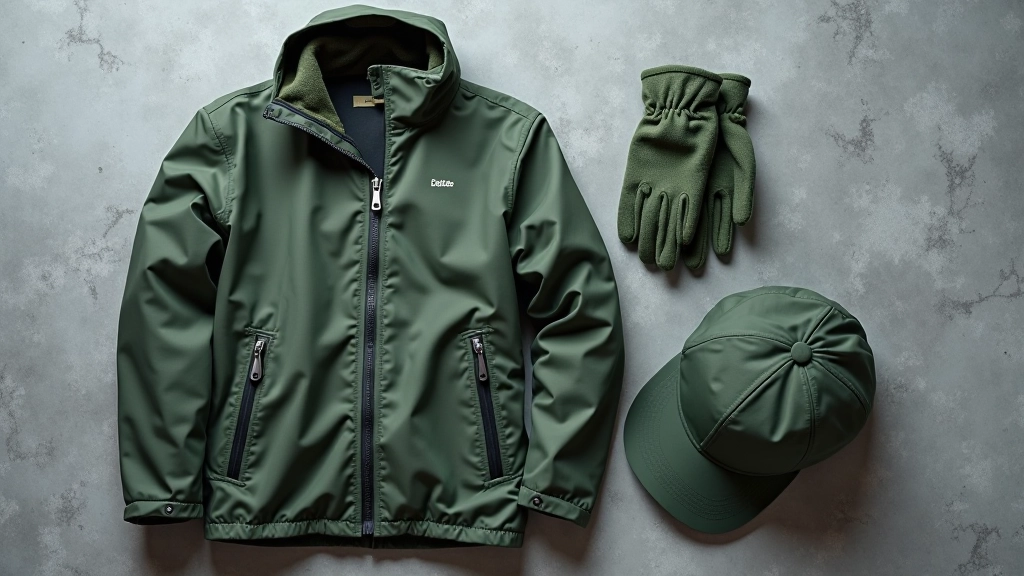
Ireland's weather changes fast. That's not dramatic — it's just fact. Pack a lightweight waterproof jacket even if the forecast says sunshine. It folds into a small pouch and weighs almost nothing. A fleece or thin jumper goes in too if temperatures are cool. The beauty of layering is you can add or remove as you go.
A hat and gloves belong in your bag during autumn and winter, obviously. But even in summer, a cap keeps sun off your face during those long stretches of open trail. Sun cream matters more than people realize — forest walks mean extended time outdoors, and reflective light from water or pale stone amplifies UV exposure.
Waterproof jacket
Sun cream
Hat or cap
Gloves (seasonal)
Navigation and Communication
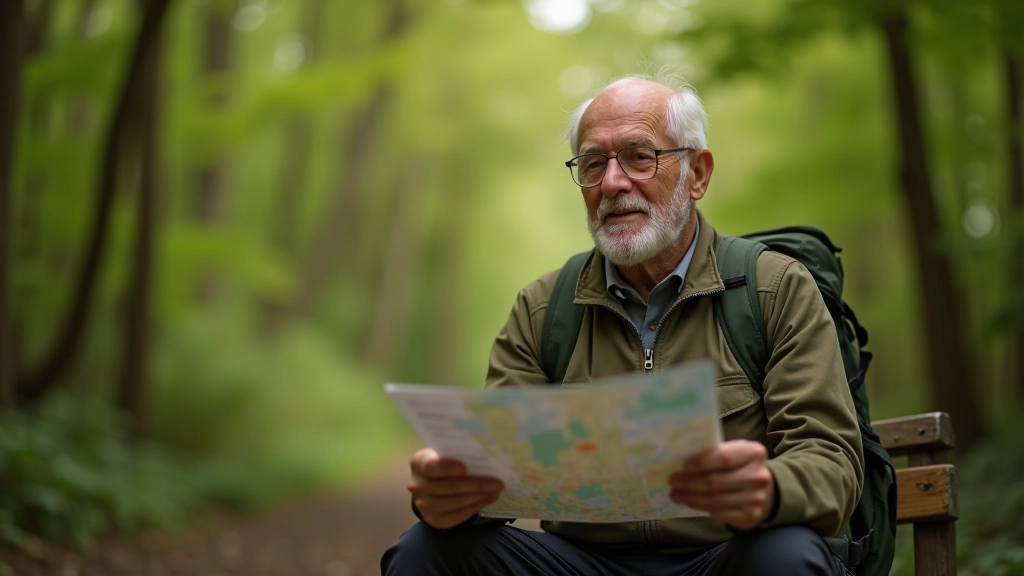
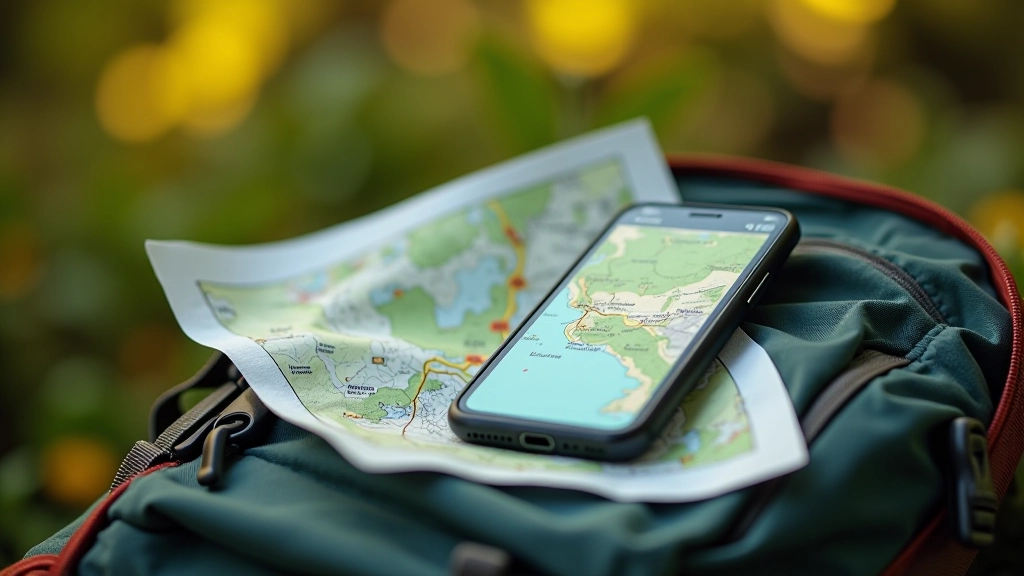
Your mobile phone belongs in your bag — not for constant checking, but for navigation and emergencies. A printed map of Curraghchase Woods is brilliant backup, especially if you're trying a new loop. Maps weigh nothing and work when batteries don't. Some walkers still prefer them even with a phone because they get a better sense of the full route without zooming.
Tell someone where you're going and roughly when you'll be back. This isn't paranoia — it's practical sense. If something goes wrong, at least someone knows to check on you. Even a simple text to a friend works: "Heading to Curraghchase, back around 3pm." That's enough.
A whistle takes up almost no space and could be useful in an unlikely emergency. ID or medical alert information should be on you or in your bag — this matters more as we get older, just in case.
Pack Smart, Walk Comfortable
The secret isn't carrying everything — it's carrying the right things. A basic rucksack with water, a snack, a first aid kit, weather protection, and navigation covers you for almost any situation on a day walk. You're not climbing mountains or tackling wilderness. You're walking forest trails that're well-maintained and busy with other walkers.
Start with this checklist. After a few walks, you'll know exactly what you prefer and what you don't need. Some people add sunglasses, others skip the hat. That's fine — customize it to your comfort. The point is being prepared without being weighed down. That's when walking becomes genuinely enjoyable, not something to endure.
Important Information
This article is for informational purposes to help you prepare for forest walking. It's not a substitute for professional medical advice. If you have health conditions that affect your ability to walk, consult your GP or healthcare provider before starting a new activity. Always check weather forecasts and trail conditions before heading out. Curraghchase Woods can be muddy or slippery after rain — appropriate footwear is essential. Walk at your own pace and don't push beyond your comfort level.